House removals in Sutton

House removals in Sutton need a practical, organised approach, whether you are moving from a flat, a terrace or a larger family property. Our removal services are designed around the core tasks that make a home move manageable: careful loading, sensible transport planning and clear handling of your furniture and boxes. The aim is straightforward support for people who want their belongings moved with care and structure, without turning the day into guesswork.
We can help with local and longer-distance domestic moves using the right vehicle and a paced approach to loading and unloading. Where access is tighter, for example through shared hallways, small staircases or limited parking, the service needs to be planned differently from a simple front-drive collection. That is why it helps to talk through what you are moving, what needs protecting and how the property is arranged before the move is booked.
To request a quotation, share the main items that need moving, the addresses involved and any access details that might affect the job. If you are also comparing service options, you can browse our home moves information alongside the wider domestic removal pages. A clear outline at the start makes it easier to quote for the right vehicle size, the right amount of labour and the right moving day setup.
Domestic moving support
Home removals usually involve more than simply carrying boxes from one place to another. Sofas, beds, wardrobes, appliances and fragile household goods all need to be considered as part of one plan. The best moving arrangements allow for the time it takes to dismantle where needed, protect items during loading and place them where they belong at the other end. That process is often what separates an orderly move from a rushed one.
Our domestic work can suit different household sizes and different levels of preparation. Some customers only need help with the transport and lifting, while others want a more complete move that includes packing support. If packing is part of the plan, our packing and unpacking services page explains the sort of support that can sit alongside a house removal, especially where breakables or mixed rooms need a more careful approach. Good preparation is not about making the move complicated; it is about making it safer and more predictable.
When a home move is being priced, a few practical points matter most: the number of rooms, the volume of furniture, whether there are special items and how easy it is to park and carry from each property. Keep the conversation focused on those facts, and the quotation can be shaped more accurately. It is usually better to describe the items clearly than to make rough guesses about how much can fit in one vehicle. If you want to discuss your move, use the details that matter most and ask for a quotation in plain terms.
What our house removals can cover

House removals can include the handling of large furniture, boxed household goods, white goods and the smaller items that often take the longest to organise. A move may also include placing items in specific rooms, which helps when you do not want everything left stacked in one place. The more clearly the inventory is understood, the easier it is to decide whether the move needs a single load, more careful scheduling or additional help on the day.
Some households also need support because they are moving on a tight timeline or combining a move with decorating, tenancy changes or a property sale. In those situations, service choices need to stay practical. A removal can be kept focused on transport and handling, or expanded to include packing support and a more structured loading order. If you are comparing options, our removals page gives a broader overview of the service families that sit under domestic moving work.
A useful quotation request normally includes a list of the main rooms, any bulky items and whether anything needs special care, such as glass tops, mirrors or delicate furniture. Photographs can help, but they work best as a supplement to a simple written summary rather than a replacement for one. If you are ready to proceed, send through the essentials and ask for a quote based on the job you actually need.
Planning access and load order
Access planning makes a real difference in house removals because the time and effort needed to move items can change quickly from one property to another. Narrow paths, basement entries, upper-floor flats, controlled parking and long carries all affect the way the work is approached. A move that looks small on paper can still require careful sequencing if access points are awkward or if the property layout slows loading.
That is why it helps to think in terms of load order. The items needed first at the new home should not be buried under the things that are easiest to load. Likewise, anything fragile or awkwardly shaped should be positioned with enough room to secure it properly. Our man and van page is useful if you are weighing up a more flexible vehicle-and-labour option for a lighter move, while still wanting practical moving support.
A short checklist can make the enquiry clearer without turning it into administration. Note the number of storeys, whether there is a lift, where a van can stop and whether there are items that need disassembly before moving. One good description of the property is often enough to start the quotation process. If you have questions about how the move would be handled, ask them alongside the request so the answer can be reflected in the plan.
House removals for different property types

Not every house move looks the same. A one-bedroom flat, a mid-terrace home and a larger detached property each create different handling and loading demands. Smaller homes may have fewer items but tighter access, while larger homes can involve more room contents, more packing and more time spent protecting surfaces and organising the lorry or van space. The service needs to suit the property rather than forcing the property to fit the service.
For customers who want a more general domestic moving overview, our house removals page covers the broader service category. If you are moving a business instead of a home, the requirements are very different and the equipment, timings and handling priorities change as well. In that case, the office removals page is a better match because it focuses on commercial relocation rather than domestic furniture moving.
Where a move includes a mix of items, the best result usually comes from matching the moving method to the actual contents. Heavy furniture, boxed books, fitted-room items and fragile possessions each need a slightly different approach to handling and positioning. Practical planning matters here because the vehicle layout, load order and lifting method all work together. A quote based on the proper property type is usually more useful than a generic estimate.
Packing, protection and careful handling
Good house removals depend on protecting the contents as well as moving them. That can mean wrapping furniture, securing doors and drawers, separating delicate items and using sensible packing methods for mixed boxes. If you are moving glass, framed pieces or other easily damaged belongings, the packing approach should be chosen to suit the item rather than using the same method for everything. The aim is calm, organised handling rather than overcomplication.
Some customers want help preparing the property before moving day, particularly when there are cupboards, wardrobes or rooms full of mixed items. Our packing and unpacking services support can sit alongside the move where it is useful, but it is still important to know which rooms or possessions need attention and which do not. If only certain belongings need careful wrapping, it is often better to keep the service focused and efficient.
Talk through the items that matter most, especially anything awkward, fragile or expensive to replace. That conversation does not need to be long; it just needs to be specific enough for the work to be planned accurately. A clear request for a quotation, together with a short list of the most significant contents, gives a much better starting point than a vague description of the whole house.
About Sutton
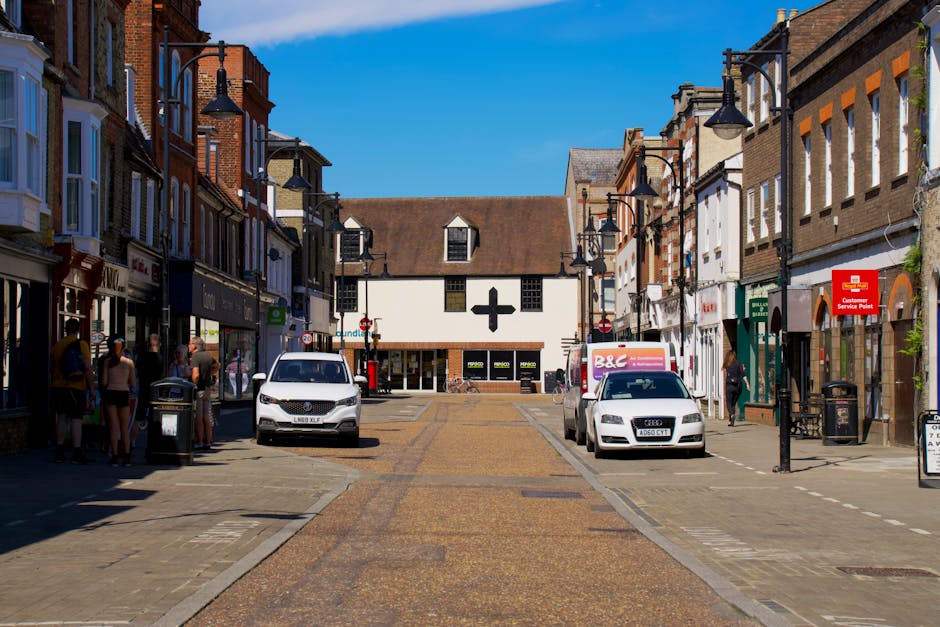
Sutton is a town in the south of Greater London and the administrative centre of the London Borough of Sutton. It developed from a medieval settlement recorded in the Domesday survey, and its later growth was shaped by the arrival of the railway in the nineteenth century, which encouraged residential expansion and a stronger town-centre role. Today the area combines busy shopping streets, civic buildings and quieter residential roads, with Sutton High Street forming a key commercial spine. The borough includes a mix of older suburban growth and greener edges, and the town retains a distinct identity within outer south London. Several parks and open spaces add to that character, including Manor Park and Sutton Green, while the nearby River Wandle system and connected waterways give the wider district a more varied landscape. Sutton’s built environment includes Victorian and interwar housing, civic architecture and a range of later commercial developments, so the town presents a layered streetscape rather than a single uniform style. Its transport links and local institutions make it an established part of the south London suburban pattern, while community events, leisure facilities and everyday high-street life continue to shape its character.
Commercial moves and larger household projects

Although the main focus here is domestic moving, larger households often need a more structured plan when the amount of furniture or boxed contents becomes substantial. In those cases, careful sequencing, the right vehicle size and a sensible loading order become even more important. Our commercial moves page is relevant where the move is business-related, while home customers can still benefit from the same disciplined planning approach when there is a high volume of contents to move safely.
It is also worth considering the items that are not moving. Some pieces may be sold, stored or left behind, and that changes the load calculation. Keep the list focused on what will actually travel, not on items that may only be “possibly includedâ€. That is especially helpful if you are trying to decide whether the job needs one vehicle run or a more staged process. A clearer inventory leads to a better quotation and reduces misunderstandings later.
If your move involves a blend of furniture, boxes and specialist pieces, ask for the type of support that suits the contents rather than simply asking for the smallest possible vehicle. The right answer depends on weight, access and handling needs, not only on how many rooms are being moved. When you are ready, request a quotation that reflects the real scope of the job and the practical details that affect it.
Vehicles, labour and moving choices
Different moves call for different combinations of vehicle space and labour. A lighter property move may be handled with a more flexible setup, while a fuller household move often needs a larger capacity and a more measured loading plan. That is where the distinction between a simple transport option and a fuller removal service becomes important. The best choice is the one that fits the contents, access and timing.
If you are comparing alternative moving styles, our man with van page and man with van removal page can help you think through the difference between a smaller-scale move and a more complete house removal. Not every move needs the same setup, and a careful comparison helps you avoid paying for more capacity than you need while still keeping the handling appropriate for the job.
Useful quotation requests usually focus on the number of movers needed, the largest items, the presence of stairs or lifts and the expected access at both ends. If there are time restrictions, that should be mentioned too, because it can influence how the day is arranged. The more direct the information, the easier it is to shape a move that feels realistic and controlled.
Getting a quotation for your move

When you ask for a quotation, the most helpful details are the basics: where the move starts, where it finishes, how much needs to be moved and whether there are items that need special handling. The purpose is not to produce a long form; it is to give enough information for the quote to reflect the actual work. If you are unsure what to include, start with the contents and access, then mention any extra help you might want.
For comparison, our pricing and quotes page sits alongside the main moving pages and is useful if you want to understand how a job estimate is put together. That can be especially helpful when you are weighing up several moving options and want the costs to be explained in relation to the service scope rather than in isolation. Keeping the enquiry concise also makes it easier to respond clearly.
Ask for your quotation in plain language and include anything that could affect the move on the day. If you have already narrowed your choice, use the contact route that suits you and request a quote based on the move you actually need. A short, specific enquiry is often the best way to begin.